Cooking for One After 60: Easy Meals, Less Waste & Simple Tips

Updated: Aug 28
Cooking for one sounds as though it should be easy.
After all, there's only one person to feed!
But I've found that it comes with its own peculiar set of problems.
Recipes seem to assume you're feeding four people. A bag of salad is enormous when there's only you eating it. You open a can of beans and use half. You buy a loaf of bread and suddenly feel as though you're in a race to finish it before it goes stale.
And then there's the biggest question:
Is it really worth cooking all that just for me?
Yes, I think it is.
But I also think we need to stop cooking for ourselves as though we're still feeding a houseful of people.
Cooking for one can be simpler, more flexible and far less wasteful once you start doing things a little differently.
So this isn't going to be another list telling you to make 20 different dinners.
Instead, we're going to look at how to shop for one, cook sensible amounts, make good use of leftovers, waste less food and keep some genuinely easy meals up our sleeves.

One of the nicest things about cooking for myself is that nobody complains about what's for dinner! If I fancy scrambled eggs at seven o'clock in the evening, scrambled eggs it is.
🍽️ Cooking for One Is Different
One of the mistakes I think we make when we start cooking for one is carrying on exactly as we did before - just with fewer people sitting at the table.
But a recipe designed for four doesn't always divide neatly into one.
And even when it does, you can end up with:
half an onion, three-quarters of a can of tomatoes, half a packet of something and enough leftover herbs to garnish dinner until Christmas!
The solution isn't necessarily to cook tiny quantities of everything.
It's to become a little more flexible about how you use food.
For example:
Tonight's roast chicken could become tomorrow's sandwich.
Half a can of chickpeas could go into a salad today and a wrap tomorrow.
Extra cooked vegetables could go into an omelet.
And that big pot of soup doesn't have to mean soup for five nights running. Freeze three individual portions and you've just made dinner easier for three future days.
Oklahoma State University calls this idea “planned overs” - deliberately planning ways to use ingredients and leftovers across several meals rather than simply hoping you'll remember what's lurking in the fridge.
I rather like that idea.
We're not dealing with unwanted leftovers.
We're getting ahead with another meal.
🥘 Cook Once, Eat Twice

I'm a big fan of this approach.
I don't particularly want to spend an afternoon batch cooking enough food for the next month.
But if I'm already making dinner, cooking two portions instead of one often takes hardly any extra effort.
Eat one tonight. Then either: put the second portion in the fridge for tomorrow or freeze it for another day.
That's especially useful for:
Soup
Stews and casseroles
Pasta sauce
Chili
Curry
Cooked chicken
Rice dishes
Cottage pie
It means you still get the pleasure of cooking something from scratch without having to start from scratch every evening.
Kitchen Granny Tip: If I know I won't want the same dinner again tomorrow, I freeze the second portion straight away. Otherwise it sits in the fridge looking increasingly accusing every time I open the door!
❄️ Your Freezer Becomes Much More Important

When you're cooking for one, your freezer is one of
your best kitchen helpers.
Instead of freezing a large container of casserole that could feed a family, divide it into individual portions.
Then you can take out exactly what you need.
The same idea works with bread.
If you regularly find yourself throwing away half a loaf, freeze it in slices. You can take out one or two pieces whenever you need them.
You can also freeze smaller portions of things such as:
Cooked rice
Pasta sauce
Soup
Cooked chicken
Leftover casseroles
Chopped herbs
Bread and rolls
Freezing food in meal-sized portions is also recommended in current cooking-for-one guidance because it helps reduce waste while giving you convenient meals for another day.
A freezer full of enormous containers isn't terribly helpful when there's only one of you. I'd much rather find six little dinners waiting for me.
🥫 The Half-a-Can Problem!
I think anyone who cooks for one knows this one.
You need half a can of something.
Now what?
Rather than letting the other half disappear into the back of the fridge, decide what you're going to do with it when you open the can.
Half a can of tuna?
Today: Tuna and cucumber sandwich
Tomorrow: Tuna jacket potato
Half a can of chickpeas?
Today: Chickpea salad
Tomorrow: Hummus-style chickpea wrap or add them to soup
Half a can of beans?
Today: Beans on toast
Tomorrow: Add them to a rice bowl
Half a can of tomatoes?
Today: Add to pasta sauce
Tomorrow: Use in soup, beans or a quick tomato-and-egg dish
This is such a small habit, but it can stop an amazing amount of food being forgotten.
And if you don't want the second meal tomorrow, freeze what is suitable rather than waiting until it's too late.
🛒 Shop for the Person You Are Feeding
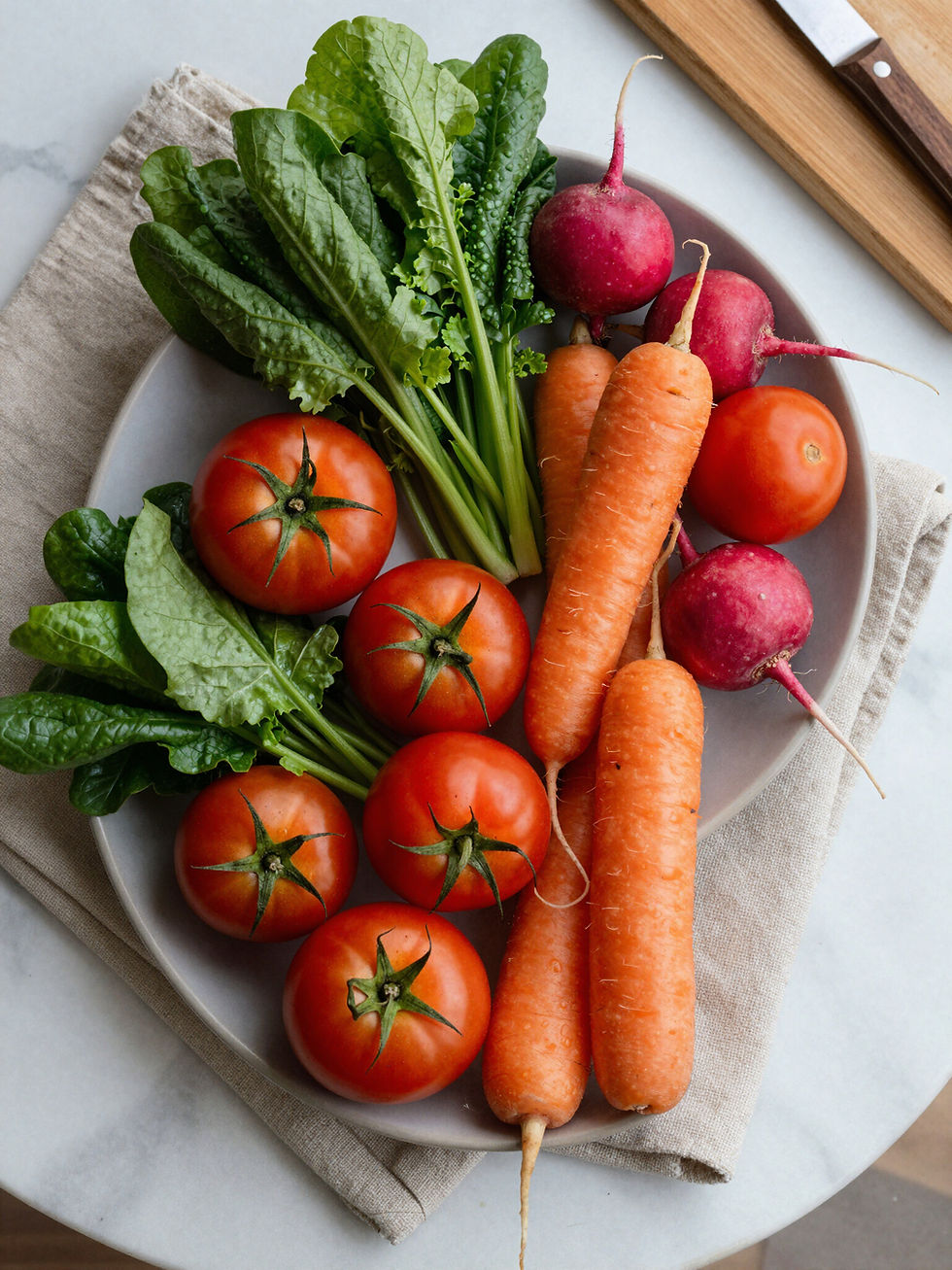
This sounds obvious.
But when you've spent years shopping for a family, changing the way you fill your trolley can take some getting used to.
Before you go shopping, have a quick look through your fridge, freezer and pantry first. Current cooking-for-one guidance recommends exactly this approach because it helps you plan around what you already have rather than buying duplicates.
Then think realistically about what you'll eat.
If you only eat two apples a week, don't buy a bag of eight because it's on special.
If a giant tub of yogurt is cheaper per gram but half of it ends up in the bin, it wasn't actually cheaper for you.
Where possible, consider:
Loose fruit and vegetables so you can buy exactly what you need.
Smaller packs when you're unlikely to finish the larger one.
Frozen vegetables and fruit because you can take out one portion at a time.
Canned foods that can form the basis of several different meals.
Freezer-friendly foods when the larger pack genuinely does offer better value.
Sometimes the family-sized packet is worth buying - provided you divide and freeze it as soon as you get home.
The important question isn't:
“Which packet is cheapest?”
It's:
“Which one am I actually going to use?”
The National Institute on Aging similarly advises older adults to buy only as much food as they'll use and to plan shopping in advance.
🥕 You Don't Have to Buy Everything Fresh
I love fresh vegetables.
I don't love discovering a sad, forgotten vegetable at the bottom of the fridge!
When you're feeding one person, a mixture of fresh, frozen and canned foods can make much more sense than trying to buy everything fresh.
You might buy fresh tomatoes, cucumber and fruit because you know you'll eat them.
But keep frozen peas, broccoli, mixed vegetables or berries for the foods you use more slowly.
There's no prize for throwing away fresh broccoli.
Kitchen Granny Tip: I try to be realistic rather than ambitious when I shop. There's no point buying enough fresh vegetables for the wonderfully organised woman I imagine I'll be this week. I buy for the woman who's actually going to eat them!
💛 “It's Only Me” Is Still a Good Enough Reason

This is the part I don't want us to lose among all the
practical advice.
When you've spent years cooking for a partner, children or a family, cooking only for yourself can sometimes feel rather pointless.
Why dirty a pan?
Why set the table?
Why bother making something nice?
But you are still worth cooking for.
That doesn't mean making an elaborate meal every evening.
It might mean putting your sandwich onto a nice plate rather than eating it over the kitchen counter.
It might mean making the omelet you actually fancy.
It might mean sitting somewhere pleasant rather than automatically eating in front of the television.
The National Institute on Aging recognizes that becoming tired of cooking or eating alone can itself become a barrier to eating well, and suggests things such as occasionally cooking with a friend or sharing meals with others.
And if the problem isn't really the practical side of cooking but that you've simply stopped enjoying it, that's something we've talked about separately in How to Enjoy Cooking for One After 60.
Cooking for yourself doesn't have to mean making a fuss. Sometimes it's simply deciding that you're worth putting something nice on a plate for.
🍳 10 Easy Meals That Naturally Work for One
One of the easiest ways to cook for yourself is to choose meals that don't require complicated dividing, measuring, or scaling down.
An omelet is already happy being an omelet for one. So is a jacket potato.
And nobody has ever wondered what to do with the other three-quarters of a piece of toast!
And on the days when cooking for yourself feels like more effort than you want to make, my No-Cook Meals for Seniors has plenty of ideas you can put together without turning on the stove.
Here are some of my favorite easy options.
1. Jacket Potato with Tuna and Sweetcorn

Cook one potato in the microwave or oven and top it with tuna, sweetcorn, and a little mayonnaise or Greek yogurt. Add grated cheese if you fancy it.
It's easy to make exactly one portion, and any leftover tuna can become tomorrow's lunch.
A jacket potato is one of my favorite meals for one because there's absolutely no math involved. One person. One potato. Perfect!
2. Cheese and Tomato Omelet
Whisk two eggs and add chopped tomato and grated cheese.
Serve with toast, salad, or some fruit on the side.
You can also use an omelet to rescue small amounts of food hanging around in the fridge - leftover vegetables, cooked chicken, mushrooms, or a little cheese are all useful.
3. Tuna Melt on Toast
Mix canned tuna with a little mayonnaise, pile it onto toast, add sliced tomato and grated cheese, and heat until the cheese melts.
You get a warm lunch without making an entire casserole or pot of anything.
4. Chicken and Vegetable Wrap

Fill one wrap with ready-cooked chicken, lettuce, tomato, cucumber, and a little cheese or avocado.
Roll it up and lunch is done.
If you've bought a cooked chicken, portion some of the remaining meat into the freezer rather than trying to eat chicken for the next four days.
5. Beans and Cheese on Toast
Heat the amount of canned beans you need and spoon them over wholegrain toast.
Add grated cheese and perhaps some sliced tomato.
Keep the remaining beans covered in the fridge and we'll deal with those shortly!
6. Quick Chickpea and Feta Bowl
Combine drained chickpeas with chopped tomato, cucumber, feta cheese, and a little olive oil and lemon juice.
You don't need to use the whole can of chickpeas.
Half today can become something completely different tomorrow.
7. Scrambled Eggs with Avocado Toast
Scramble two eggs and serve them alongside avocado on wholegrain toast.
It's simple enough for breakfast but substantial enough for an easy lunch or dinner.
And that's one advantage of cooking for yourself:
If you want breakfast for dinner, nobody gets a vote!
8. Chicken and Vegetable Rice Bowl
Heat one portion of cooked or microwave rice and add ready-cooked chicken and frozen vegetables.
Finish with a little soy sauce, pesto, or another sauce you enjoy.
This is particularly useful for using small amounts of chicken or vegetables left from another meal.
9. Soup, Toast and Cheese
Heat one bowl of soup and serve it with toast and cheese.
Homemade soup is wonderful for cooking for one because you can freeze it in individual portions.
You make the pot once but don't have to eat the entire pot that week.
10. The Little Dinner Plate
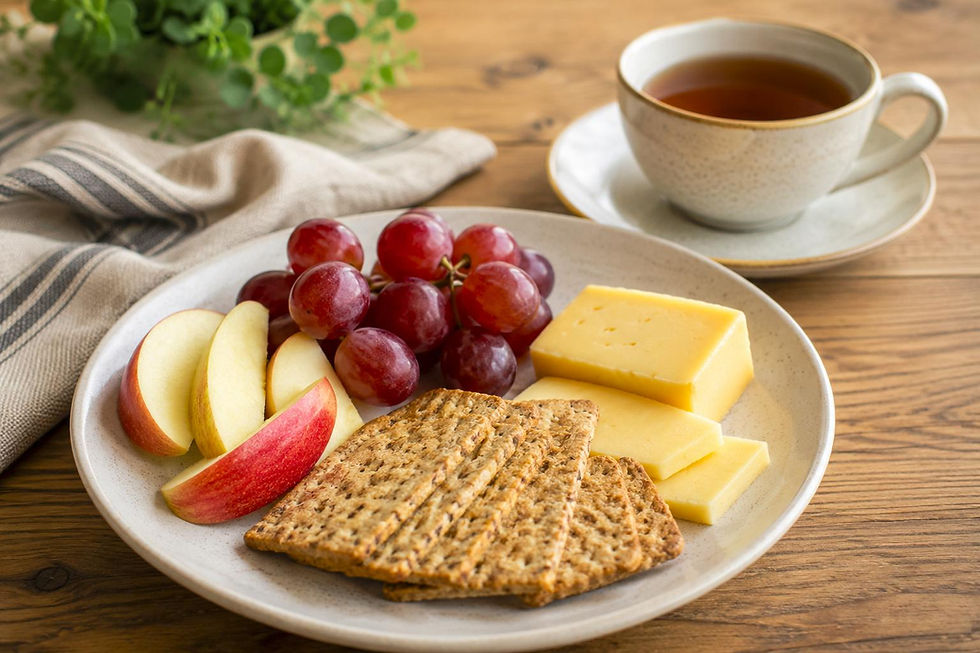
Some evenings, don't cook a recipe at all.
Put together a small plate with things such as:
Cheese
Hummus
Wholegrain crackers
Tomatoes
Cucumber
Fruit
Nuts
A little leftover chicken
It's particularly useful for using up small quantities before they become food waste.
Cooking for one has made me much less bothered about whether something looks like a "proper dinner." If it's tasty, reasonably balanced, and I enjoy eating it, that's good enough for me.
🥫 The Half-a-Can Challenge

Now for the problem I think deserves its own section!
You open a can because you need a little of something for lunch.
You use half. You carefully cover the rest and put it into the fridge.
Three days later you discover it and think: Oh dear. I forgot about that!
The easiest solution is to stop thinking of the leftover half as a leftover.
Instead, when you open the can, decide:
What is Meal Number Two?
Here are some ideas.
Open This | Meal 1 | Use the Rest For |
Tuna | Tuna sandwich | Jacket potato with tuna |
Chickpeas | Chickpea & feta bowl | Chickpea wrap |
Baked beans | Beans on toast | Bean & cheese jacket potato |
Cannellini beans | Bean salad | Add to soup |
Canned salmon | Salmon sandwich | Salmon & avocado crackers |
Sweetcorn | Tuna & sweetcorn potato | Add to salad or wrap |
Chopped tomatoes | Quick pasta sauce | Add to beans or soup |
Lentils | Lentil salad | Add to soup or rice bowl |
Peaches | Yogurt & peaches | Cottage cheese & peaches |
Pineapple | Fruit & yogurt bowl | Add to chicken salad |
Suddenly one can isn't creating leftovers.
It's creating two meals.
Kitchen Granny Tip: If I can't think of how I'm going to use the rest of something, I write it on a little note on the fridge. Otherwise I'm quite capable of forgetting it's there!
A quick food-safety note
Once a can has been opened, treat the remaining food as a refrigerated leftover and follow the storage instructions on the product.
I also prefer transferring unused food to a clean, covered container rather than leaving an open can sitting in the fridge.
And when in doubt about how long something has been there, don't take chances.
🔄 One Ingredient, Two Different Meals
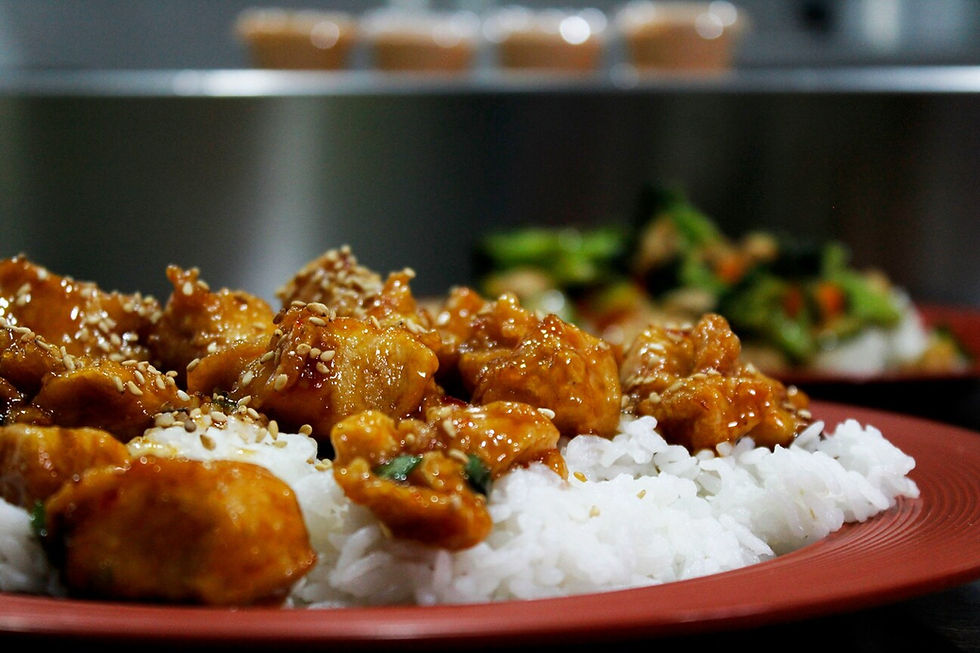
This idea doesn't only work with cans.
When you're cooking for one, I think one of the best tricks is to buy or prepare an ingredient with two different meals already in mind.
Ready-Cooked Chicken
Tonight: Chicken, potato, and vegetables
Tomorrow: Chicken and avocado wrap
Avocado
Today: Avocado and egg toast
Tomorrow: Add the rest to a tuna salad
Cottage Cheese
Today: Cottage cheese with tomato and crackers
Tomorrow: Cottage cheese with fruit and nuts
Cooked Rice
Tonight: Chicken and vegetable rice bowl
Tomorrow: Rice with beans, avocado, and tomato
Hummus
Today: Hummus and vegetable wrap
Tomorrow: Hummus, crackers, cheese, and fruit plate
Greek Yogurt
Breakfast: Yogurt, fruit, and oats
Later: Use some instead of mayonnaise in a tuna filling
This is very different from eating leftovers.
You're using the same ingredient, but you're not necessarily eating the same meal.
That little distinction can make cooking for one much less repetitive.
❄️ Foods I Like Buying Frozen When Cooking for One
Frozen foods can be particularly useful when there's only one person eating them because you can take out exactly what you need.
Frozen Vegetables
Peas, broccoli, spinach, green beans, mixed vegetables, and cauliflower are all useful.
Take out one portion and put the rest back.
No half-used head of broccoli quietly deteriorating in the vegetable drawer!
Frozen Fruit
Berries and other frozen fruit are handy for yogurt bowls, oatmeal, and smoothies.
You don't have to race through an entire punnet before it spoils.
Fish Portions
Individually frozen fish portions make it easy to cook exactly one.
Just follow the cooking and storage directions on the package.
Bread

This is probably one of the easiest ways to reduce waste when you live alone.
Freeze your loaf in slices and take out only what you need.
Toast can often go straight from freezer to toaster.
Your Own Leftovers
These may be the best frozen foods of all.
Soup, stew, casserole, pasta sauce, and other freezer-friendly meals can be divided into single portions before freezing.
I like opening my freezer and seeing several different little meals rather than one enormous container of something I'm going to have to eat for the rest of the week.
🛒 A Simple Shopping Strategy for One
Shopping for one gets easier when you stop trying to buy a miniature version of a family grocery shop.
Instead, think about how ingredients will work together during the week.
For example, you might choose:
2 proteins: Eggs + chicken
2 or 3 vegetables: Tomatoes + broccoli + carrots
2 fruits: Apples + bananas
A few useful basics: Bread + cheese + yogurt + canned beans
Something from the freezer: Frozen peas
Now those ingredients can move between meals.
Eggs can become breakfast or an omelet.
Chicken can become dinner, a wrap, or a sandwich.
Tomatoes can go onto toast, into an omelet, or into a salad.
Broccoli can accompany dinner or go into an egg dish.
Bananas can go onto toast or into yogurt.
The aim isn't to plan seven completely different dinners using seven completely different sets of ingredients.
It's to buy a manageable selection of foods and find several ways to use them.
📝 Try a Three-Day Plan, Not a Seven-Day Plan
If weekly meal planning feels like too much, don't do it.
Try planning just three days at a time.
For example:
Day 1
Lunch: Tuna and cucumber sandwich
Dinner: Chicken with potato and vegetables
Day 2
Lunch: Chicken and avocado wrap
Dinner: Cheese and tomato omelet
Day 3
Lunch: Chickpea and feta bowl
Dinner: Soup with toast and cheese

Now look at what's happening behind the scenes.
The chicken gets used twice.
The salad vegetables appear in several meals.
The bread works for sandwiches and toast.
The cheese gets used in the omelet and with the soup.
Nothing particularly clever is happening.
You're simply giving the food you buy more than one job.
Kitchen Granny Tip: I find three days much easier to think about than an entire week. I know roughly what I'll fancy eating, and there's less chance of buying food for an imaginary Thursday dinner that never actually happens.
💰 The Biggest Pack Isn't Always the Bargain
This is something that's worth remembering when you're shopping for one.
A large packet may have the lowest price per kilogram, but that doesn't necessarily make it the cheapest option for you.
If the smaller bag of spinach costs a little more per gram but you eat all of it, while half of the enormous value bag ends up in the bin, which one was really better value?
Of course, larger packs can still make sense when the food:
Has a long shelf life
Can be divided and frozen
Is something you use regularly
Won't spoil before you finish it
So don't automatically buy small.
But don't automatically buy big either.
Buy the amount that makes sense for the way you actually eat.
❤️ Cooking for One Is Really About Flexibility

That's the theme running through all of this.
You don't need seven elaborate meal plans.
You don't need to cook everything in tiny individual quantities.
And you certainly don't need to eat the same casserole for four nights because the recipe served four!
Use half. Freeze half.
Turn yesterday's ingredient into something different today.
And occasionally have scrambled eggs for dinner simply because that's what you fancy.
Best of all - when you're cooking for one, you get to make the rules!
Perhaps that's one of the advantages of cooking for yourself. Dinner doesn't have to please everyone anymore. It only has to please you!
For more practical ideas on shopping, planning meals and reducing food waste when you're cooking for yourself, Oklahoma State University Extension has a helpful guide to Cooking for One or Two.
🧊 Use It Before You Lose It

One of the easiest ways to waste less food when you're cooking for one is to have a small area in your fridge for things that need using soon.
I think of mine as the: "USE ME FIRST" spot.
It could be a small container, basket, or simply one particular shelf.
Put things there such as:
Half an avocado
Half a can of beans
Leftover cooked chicken
A piece of cheese that's already open
Vegetables that need using
A small portion of cooked rice
Fruit that's getting very ripe
Then, before deciding what to make for lunch or dinner, look there first.
That half an avocado might go onto toast.
The chicken could become a sandwich.
Those slightly tired vegetables could disappear into an omelet.
And the very ripe banana? That sounds like tomorrow's peanut butter and banana toast to me!
Kitchen Granny Tip: The back of my fridge can sometimes become a place where perfectly good food goes to hide. Keeping things that need using together makes them much harder to forget.
📋 Cooking for One Cheat Sheet
Here's a quick reminder of some of the easiest ways to make cooking for one work better.
The Problem | Try This |
Recipes make too much | Make two portions and freeze or refrigerate one |
Bread goes stale | Freeze the loaf in slices |
Fresh vegetables spoil | Mix fresh vegetables with frozen options |
Half a can gets forgotten | Decide on Meal Number Two when you open it |
Leftovers get boring | Reuse the ingredient in a different meal |
Large packs are cheaper | Divide and freeze them if practical |
You don't know what to cook | Plan just three days rather than seven |
Food gets forgotten in the fridge | Create a "Use Me First" spot |
Cooking every night feels like work | Cook once, eat twice |
You don't feel like a "proper" dinner | Make a simple plate of foods you enjoy |
🥫 Keep a Few Flexible Foods Around
When you're cooking for one, I think flexible ingredients are far more useful than having cupboards full of things that only work for one particular recipe.
Some of my favorites include:
Eggs
Canned tuna
Canned beans and chickpeas
Cheese
Greek yogurt
Bread
Wraps
Potatoes
Frozen vegetables
Frozen fruit
Ready-cooked chicken
Hummus
Cottage cheese
Rice
Fresh fruit
Think about how many different meals you could make from eggs, bread, cheese, tomatoes, and a can of beans alone.
You don't necessarily need more food. Sometimes you just need food that can do more than one job.
🧼 Store Your Leftovers Safely
Saving leftovers is a wonderful way to reduce waste, but we still need to be sensible about food safety.
Refrigerate perishable leftovers promptly, keep them covered, and don't leave cooked food sitting at room temperature for long periods.
It's also worth labeling food before putting it into the freezer.
Write down: what it is + the date you froze it.
That prevents the rather entertaining game of: "Is this tomato soup...or pasta sauce?" 😀

Kitchen Granny Tip: A permanent marker and a roll of freezer labels are surprisingly useful kitchen tools when you live alone!
❓ FAQ
How do I cook for one person without wasting food?
Start by buying realistic quantities and choosing ingredients you can use in several different meals.
Freeze bread and other suitable foods in individual portions, plan how you'll use the second half of canned ingredients, and make use of frozen fruit and vegetables when fresh produce is likely to spoil before you finish it.
You don't need to eliminate food waste completely. The aim is simply to throw away less.
Is it worth batch cooking for one?
It can be, but batch cooking doesn't have to mean spending an entire day making huge quantities of food.
If you're cooking something that freezes well, simply make two or three portions.
Eat one and freeze the others individually.
That's enough to start building a useful little collection of homemade freezer meals.
How can I stop getting bored with leftovers?
Try reusing the ingredient rather than repeating the entire meal.
Tonight's chicken and vegetables could become tomorrow's chicken wrap.
Chickpeas from today's salad could go into tomorrow's bowl or wrap.
Cooked vegetables can become an omelet.
That way you're reducing waste without feeling as though you're eating the same dinner over and over again.
What are the easiest meals to make for one person?
Meals that naturally come in individual portions are particularly handy.
Try:
Omelets
Jacket potatoes
Eggs on toast
Soup and bread
Sandwiches and wraps
Rice bowls
Beans on toast
Simple salads
Yogurt bowls
Snack-plate meals
They don't require you to scale down a complicated family recipe.
How can I make shopping for one easier?
Before shopping, check what you already have and think about the next few days rather than buying food without a plan.
Choose ingredients that work across several meals and consider frozen or canned alternatives for foods you don't use quickly.
And remember that the largest pack isn't automatically the best bargain if you won't finish it.
💛 Final Thoughts on Cooking For One After 60
Cooking for one takes a little getting used to.
Especially if you've spent many years shopping and cooking for a family.
But it also gives you a wonderful amount of freedom.
You can have an omelet for dinner.
You can cook two portions and put one away.
You can eat the leftover chicken in a completely different way tomorrow.
And you can finally stop buying enormous bags of something simply because they're supposedly better value!
The trick isn't learning how to cook tiny versions of everything.
It's learning to shop, cook and store food in a way that suits one person.
Make friends with your freezer.
Give leftovers another job.
Plan what happens to the other half of the can.
And remember that even when you're the only person sitting at the table, you're still worth making something nice for.
Cooking for one isn't cooking for "only" one. It's cooking for you - and that seems like a pretty good reason to make something you enjoy.
🔗 Continue Reading
I’d love to hear your ideas on any tips you have on cooking for one after 60! Fill in the contact form
Send an email to kitchengrannynora@gmail.com
Having basic ingredients close at hand always makes cooking simpler! Here are some of my ideas on how to stock your freezer, fridge, and pantry!


Comments