Simple Meal Preparation for Seniors

Hi there, friends!
Have you ever opened the fridge, looked at everything inside, and wondered what on earth you're going to make for dinner? You're not alone! A little preparation can make everyday cooking much easier, without turning your kitchen into a full-time job.
There was a time when preparing meals might have felt like second nature. You knew what was in the fridge, what you could make for supper, and how to get everything onto the table without giving it much thought.
But as the years go by, things can change. Standing for long periods may become tiring, shopping can take more effort, and even deciding what to cook can feel like another job on a busy day.
That doesn't mean you have to give up preparing your own meals.
A little organization can help you stay comfortable and confident in your kitchen, without turning cooking into a complicated project. The trick is to make meal preparation work for you, rather than expecting yourself to do everything at once.

Start With What You Already Have
Before making a shopping list or deciding on a week's worth of meals, take a quick look at what you already have.
Check the fridge, freezer, and pantry. You may find enough ingredients for several meals without needing to buy much at all.
Perhaps there's a tin of beans, some frozen vegetables, a few eggs, and leftover cooked chicken. Those ingredients could become a simple lunch, an omelet, or a quick supper with a little thought.
It helps to keep familiar basics available. You don't need a pantry filled with unusual ingredients or a fridge bursting with fresh produce. A selection of foods you enjoy and know how to use is often far more helpful.
If you'd like some ideas for stocking up, you can revisit my guides to pantry staples, fridge staples, and freezer staples.
The aim isn't to have everything. It's to have enough useful ingredients to make your next meal easier.
Prepare a Little Before You Need It
One of the simplest ways to make cooking less demanding is to do a small amount of preparation when you have the time and energy.
For example, when you unpack your groceries, you might:
Wash and dry some vegetables that you'll use soon.
Divide a larger packet of meat or chicken into meal-sized portions before freezing.
Put frequently used ingredients together so they're easier to find.
Check which leftovers need to be eaten first.
Set aside the ingredients for tomorrow's lunch.
You don't need to do all these things in one session. Choose one or two that will genuinely help you.
And remember, you don't have to prepare everything from scratch. Frozen vegetables, ready-washed salad leaves, tinned beans, and pre-cut vegetables can all save time and effort.
Convenience foods have their place in a sensible kitchen. The goal is to make a meal you enjoy, not to win a prize for doing the most work.
When I was cooking for a large family, I used to spend entire Sundays doing meal prep. No more! Now I like to use my Sundays for relaxing!
Make One Preparation Session Do Double Duty
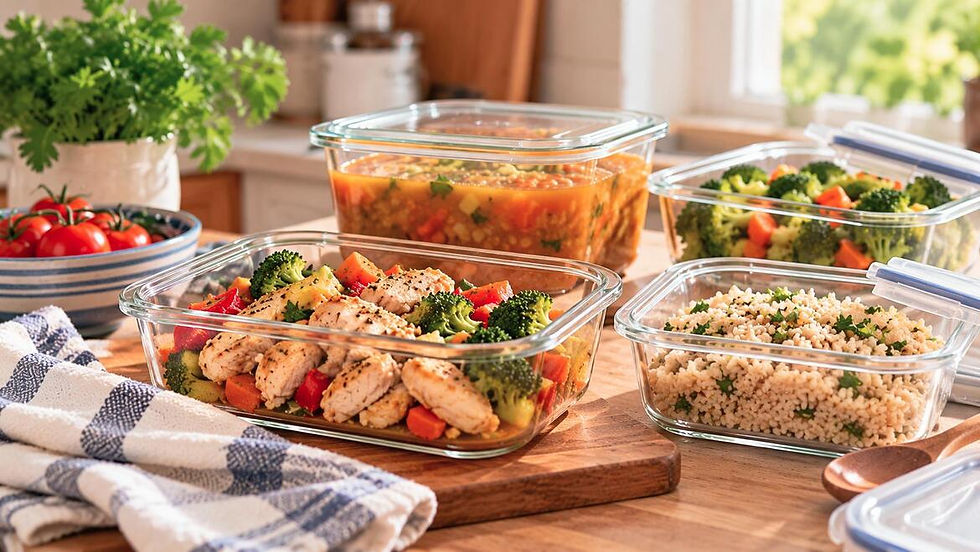
Here's a little trick I have always found useful: when you're already preparing food, consider whether you can make a little extra without much additional effort.
If you're chopping an onion for soup, for instance, you might chop another one to use in tomorrow's meal. If you're cooking rice, you could prepare enough for another meal, provided you cool and refrigerate the extra portion promptly and handle it safely.
A few examples include:
Cook extra vegetables to serve with another meal.
Prepare enough soup for lunch today and another portion to freeze.
Cook extra chicken to use in a sandwich or salad the following day.
Make a little extra mince to use in a different dish later in the week.
This doesn't mean you must eat the same meal several days in a row. A little leftover chicken can become a sandwich one day and a filling for a baked potato another time.
Do remember to refrigerate perishable food promptly, ideally within two hours, and use leftovers within recommended storage times. If you need a refresher, my article on how to tell if food is safe to eat explains the basics.
The idea is simple: let the work you've already done help you again tomorrow.
Keep a Few Easy Meals in Mind

Have you ever opened the fridge, looked at everything inside, and still felt you had absolutely nothing to eat?
It happens to the best of us!
Often, the problem isn't a lack of food. It's having to think of a meal when you're already hungry or tired.
It can help to keep a few reliable meal combinations in mind. These don't need to be recipes, and they don't need fancy names.
For example:
Scrambled eggs on toast, with fruit on the side.
A baked potato topped with beans, cheese, or leftover chicken.
Tinned soup with toast or a sandwich.
Rice with frozen vegetables and an egg.
Crackers or bread with cheese, fruit, and a boiled egg.
Pasta with a simple sauce and some vegetables.
Choose combinations that suit your tastes, appetite, budget, and any dietary needs you may have.
You could even write down five or six favorites and keep the list somewhere visible. When you can't think what to make, you'll have a few ideas ready.
For more inspiration, have a look at my article on easy meals using everyday kitchen staples.
Make Your Kitchen Easier to Work In

Meal preparation isn't only about the food. It's also about how comfortable and convenient your kitchen feels while you're working.
If you're constantly reaching into cupboards, searching for utensils, or walking from one end of the kitchen to the other, even a simple meal can become tiring.
Try keeping the things you use most often within easy reach. Your everyday knife, chopping board, cooking spoon, and favorite pan don't need to be tucked away behind items you rarely use.
Gather the ingredients for a meal before you begin, rather than stopping halfway through to search for something.
If standing for long periods is uncomfortable, consider doing suitable preparation while seated at a stable work surface. Make sure the chair is secure and that you have enough room to work safely. Hot pans, sharp knives, and heavy containers need particular care.
You may find more helpful ideas in my article on small kitchen changes that make cooking easier after 60.
Sometimes, moving one frequently used item to a more convenient place can make a surprising difference.
Don't Try to Do Everything in One Day
There is no rule saying that all your meal preparation must happen on Sunday afternoon, or on any other particular day.
If a long preparation session leaves you exhausted, break the work into smaller tasks instead.
You might check the fridge one day, make a shopping list the next, and prepare a few ingredients when you unpack your groceries. On another day, you could make a pot of soup or cook a little extra for the freezer.
Some weeks, you may manage more. Other weeks, less.
That is perfectly all right.
The most useful routine is one you can maintain comfortably. It should make your days easier, not leave you feeling that you've failed because you didn't prepare six meals in advance.
And if you enjoy cooking each meal fresh, there's no reason to change that simply because someone recommends batch cooking. Keep the habits that work for you.
Always Have a Plan for Tired Days

Even with the best intentions, there will be days when you don't feel like preparing a meal. Perhaps you've had a busy morning, slept poorly, or simply need a quieter afternoon.
This is where a little preparation can be particularly helpful.
Keep a few easy options available for those days. A portion of homemade soup in the freezer, a tin of beans in the pantry, eggs in the fridge, or a ready-to-heat meal you enjoy can save you from having to start from scratch.
You might also keep a small list of meals that take very little effort. Choose options that require only a few steps and don't leave you with a mountain of washing-up.
The important thing is to have a backup plan before you're tired and hungry.
You can read more ideas in my article on easy meals for seniors when you don't feel like cooking.
There's no shame in making things easier for yourself. A convenient meal that you enjoy is a perfectly good meal.
Frequently Asked Questions
What is the easiest way to prepare meals in advance?
Start small. Wash a few vegetables, portion ingredients, or prepare an extra serving of a meal you're already cooking. Choose tasks that will save you effort later, and avoid preparing more food than you can safely store and use.
Do I need to plan every meal for the week?
Not at all. Even having two or three meal ideas ready can help. You can leave the rest flexible, depending on your appetite, schedule, and what you have available.
Is it all right to use frozen and tinned foods?

Absolutely. Frozen vegetables, tinned beans, canned fish, and other convenient ingredients can make everyday cooking much easier. Check labels where relevant, particularly if you need to watch sodium or added sugars.
How can I make meal preparation less tiring?
Gather your ingredients before you begin, keep frequently used items within easy reach, and break preparation into shorter sessions. If standing is difficult, consider a safe seated preparation area. Choose methods and equipment that suit your abilities.
What should I do if I live alone and often have leftover food?
Portion leftovers into suitable containers, refrigerate them promptly, and freeze portions you won't eat within the recommended storage period. Label frozen portions with the food name and date so you can identify them easily later.
A Little Preparation Goes a Long Way
Preparing meals for yourself shouldn't feel like a test of endurance.
You don't need a perfect kitchen, a detailed weekly menu, or a freezer full of neatly labelled containers. You simply need a few habits that make everyday cooking more manageable.
Start with what you have. Prepare a little when it suits you. Keep a few easy meals in mind, and make room for the days when you need a shortcut.
Most importantly, remember that independent living doesn't mean doing everything the hard way. It means finding ways to look after yourself that fit your life today.
So take a little pressure off, make your kitchen work for you, and give yourself credit for every meal you manage.
I would love to hear your thoughts on simple meal preparation for seniors!
Fill in the contact form
Send an email to kitchengrannynora@gmail.com
Until next time, keep cooking simple, keep cooking with love, and remember—every good meal begins with a little kindness towards yourself.
— Kitchen Granny


Comments